
Sustainability in Design

In every class I teach, sustainability is a common thread.
What I have found is when designers and architects consider how to conserve resources, the outcome is not only practical but also is very interesting to view.
This set of articles is a series because there is much to cover in every category.
The categories I have determined are:
Ventilation
Light
Water
Cooling and heating
Energy
Transportation
Reuse of existing structures
Adjustments to climate change
Some of the examples I show will address more than one of these areas.
Today I will begin with ventilation which is air movement to create a comfortable interior space.
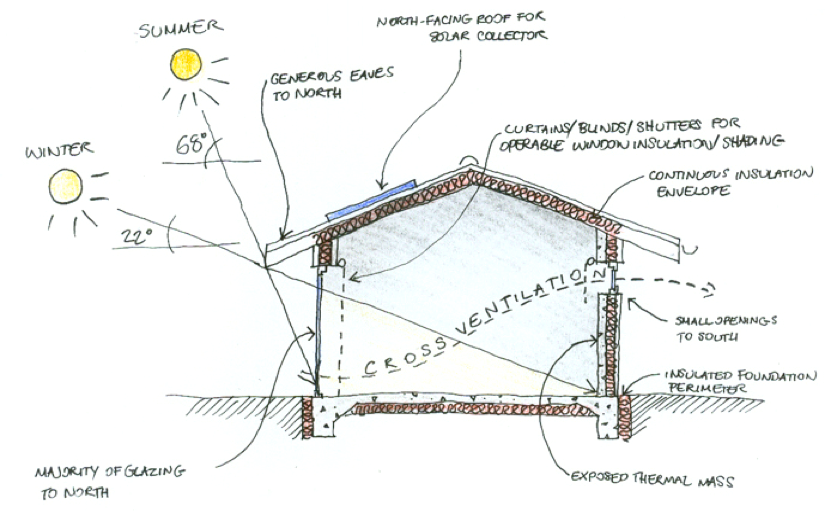
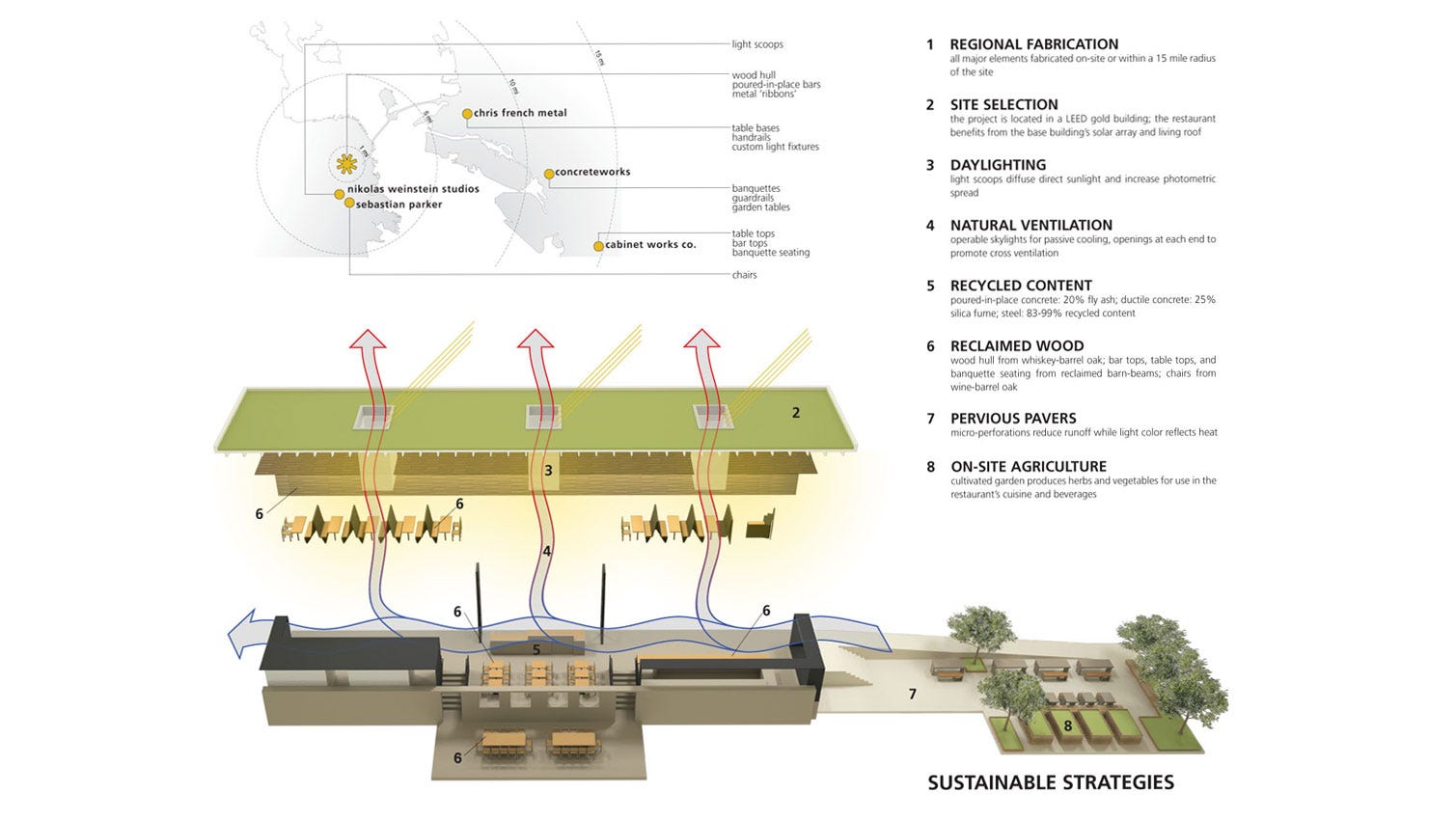
The diagram above shows the basics of how to design a space that is comfortable, provides natural light while insulating the occupants from the cold in the winter and keeping the cool air in during the warmer months.
For now we will focus on ventilation.
Per the diagram, the idea shown is to bring the cool air in from below in the summer months and because warm air rises, allow the air to circulate through the space and be vented out close to the ceiling.
This is the ideal and although many structures are not simple designs as shown in the diagram, there are ways to adjust to most situations.
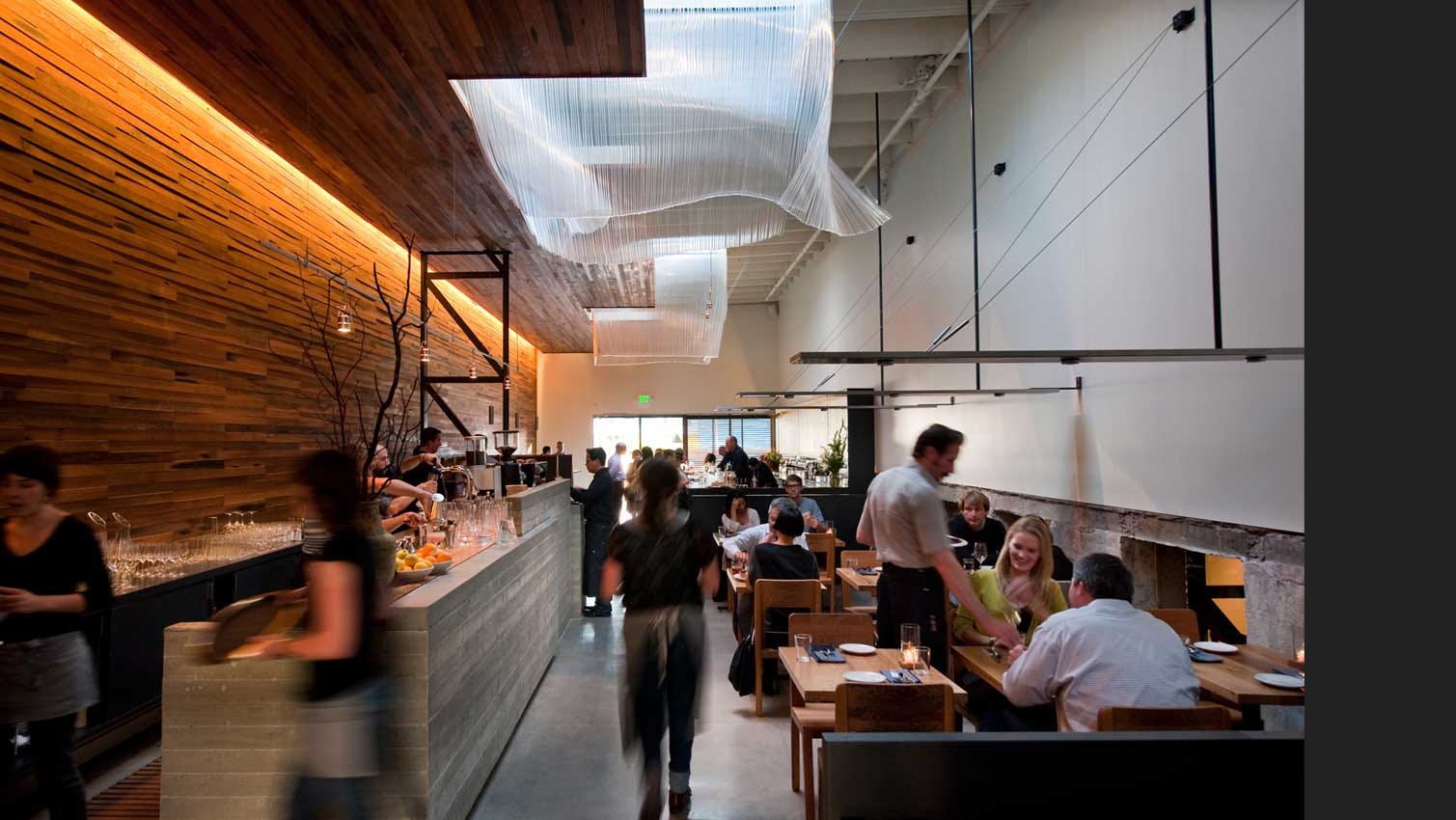
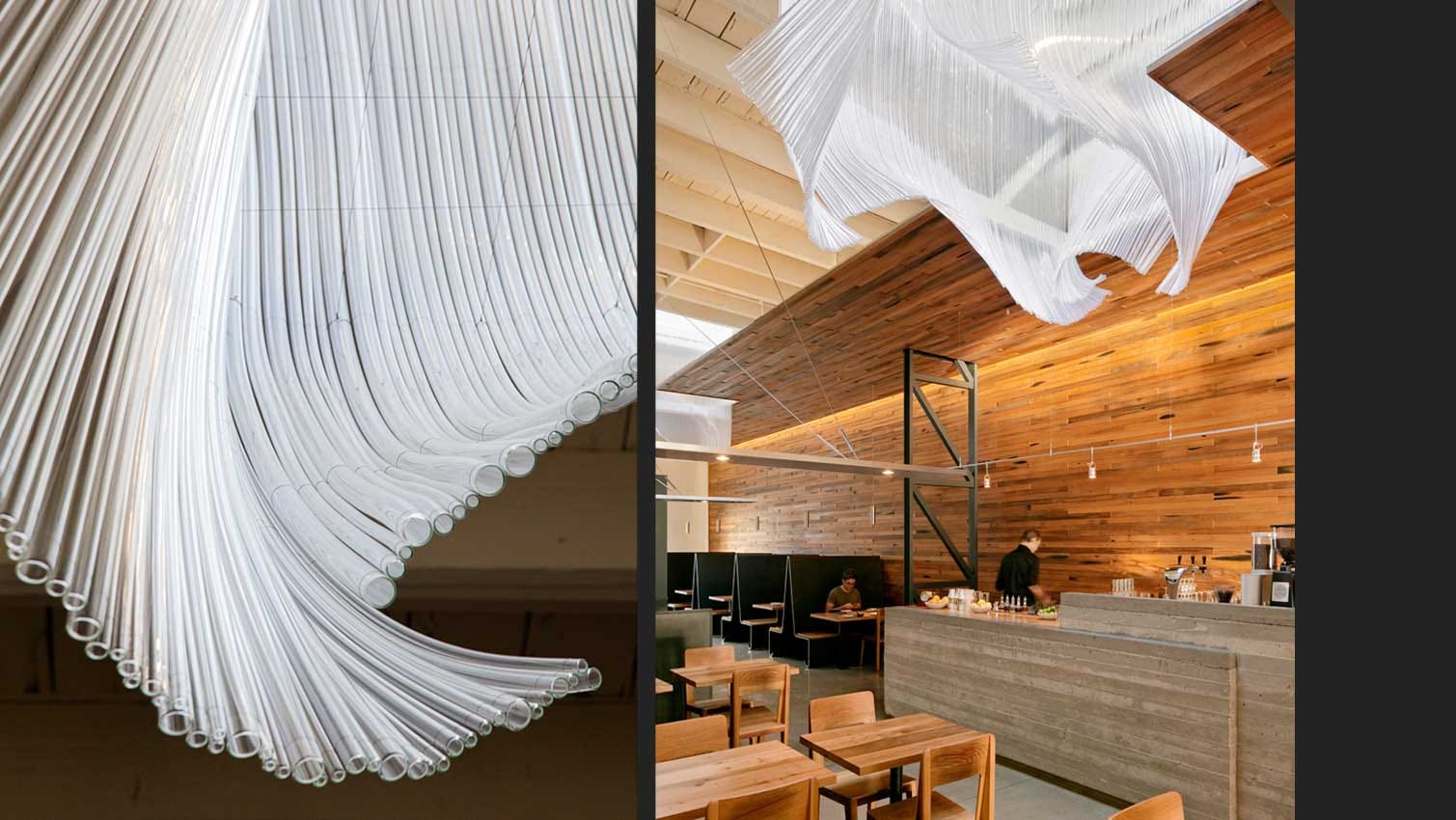
The restaurant above in San Francisco uses cross ventilation to keep the air moving in a relatively long and narrow space. The plastic tube material waves with the breezes that flow through the space giving it a dynamic feel. The openings in the ceiling also provide natural sunlight into the restaurant that has only one set of windows.
The diagram below shows how the ventilation system works.
And here is a closeup of the plastic tube material used.
During a visit to Mexico City, I was fortunate enough to choose the right hotel to stay in during a very warm month.
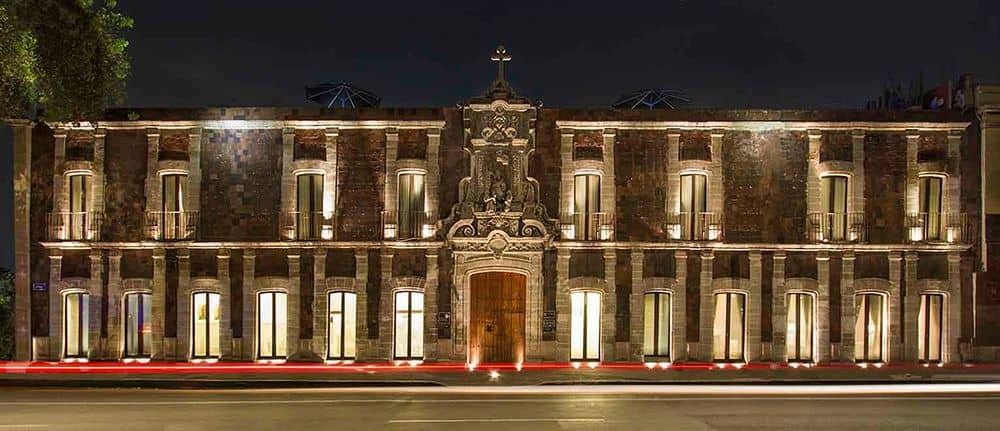
The building was once a monastery that was converted into a hotel.
What impressed me was how cool the rooms were and realized there were air towers that created a breeze flowing from the open door and the window facing the open air atrium, through the rooms and then through a window that opened to an air tower made of stone. This provided all of the cool air I needed while others suffered in high rise hotels where the windows could not be opened and the air conditioning was spotty at best.
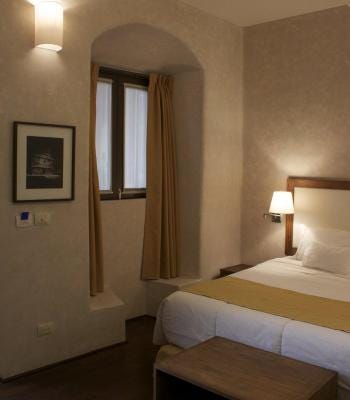
It was our oasis during those hot sultry days.

Another hotel I visited that also designed for air circulation is the Mauna Kea Hotel in Hawaii.
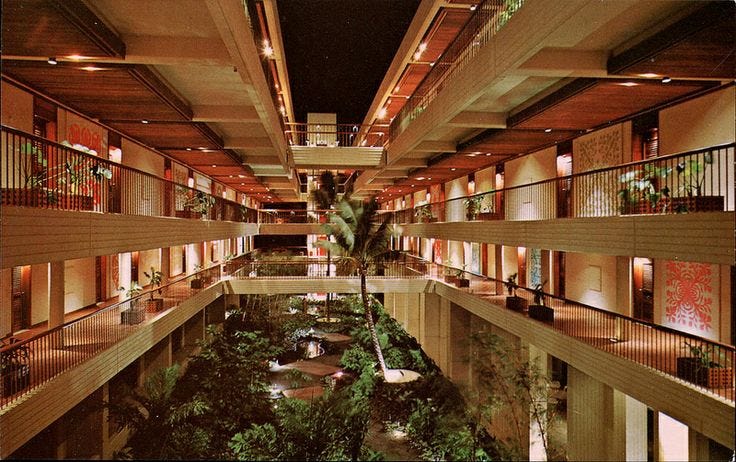
The idea is the same. The interior open atrium provides air so when you open the door to your room or open the slats in the wood door, the air flows from the cool atrium through the guest room and out through the double glass doors facing the balcony on the opposite side of the room.
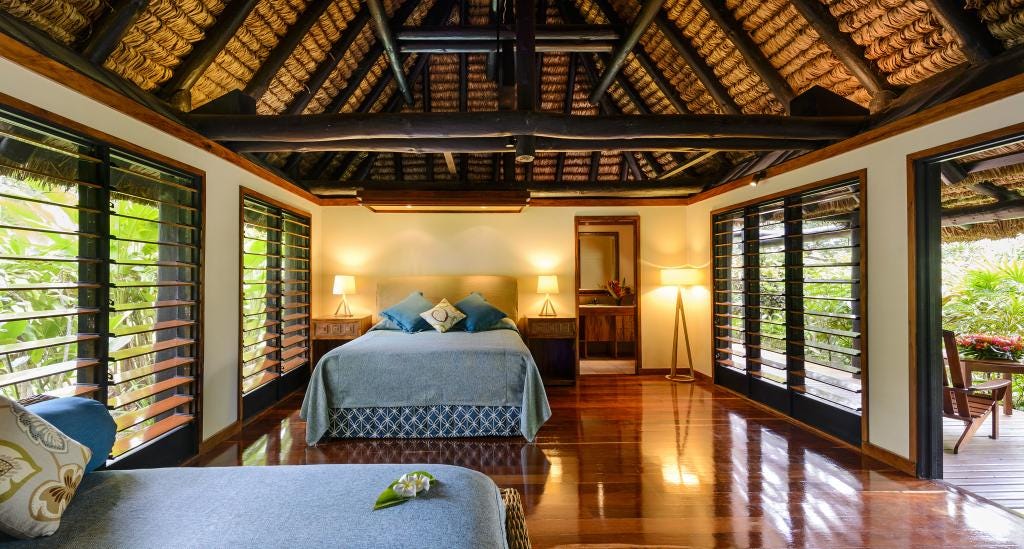
When staying in Fiji, there were vented windows and a ceiling fan that kept us comfortable.
Growing up in Southern California, we had this sort of window also in one of the rooms that provided some air circulation.
Ceiling fans, by the way, are also useful in the winter, bringing the warm air back into the lower part of the room.
Careful consideration in the design of a space or structure can provide a comfortable area to be in while saving on energy.
Next up, light.
-Dora Taylor